يعتبر الكهرباء أحد اهم اشكال الطاقة في الوقت الراهن، اذ يعتبر الاكثر استعمالا من بين الاشكال الاخرى، فاستعمالاته لا محدودة، فهو بمثابة الجهاز العصبي لجسم الانسان، حيث يستخدم في كل القطاعات الاقتصادية والاجتماعية دون استثناء، اذ يعتبر على سبيل المثال لا الحصر، المصدر الاول في التغذية الصناعية، خاصة وان معظم الصناعات الحديثة تعتمد بشكل اساسي على هذا النوع من الطاقة التي غزت كل القطاعات الاخرى كالزراعة والنقل والخدمات…، فضلا عن الاستخدامات المنزلية المتعددة. وبالنظر لهذا الدور تؤكد بعض الدراسات ان الكهرباء أصبح أحد العناصر الأساسية لتحسين جودة الحياة.
يعتبر انتاج الكهرباء في الجزائر من القطاعات الاستراتيجية التي شهدت تغيرات وتطورات كثيرة تعبر عن طبيعة المرحلة التاريخية التي مر بها الاقتصاد الوطني، غير ان التطور البارز؛ خلال السنوات الأخيرة؛ فضلا عن الاهتمام المتزايد بالرفع من القدرات الإنتاجية هو استخدام مصادر اخرى لتعزيز انتاج الكهرباء وتعضيد الاستدامة التنموية، حيث أصبحت تشكل بعدا من ابعاد السياسة الطاقوية في الجزائر، الامر الذي من شأنه ان يؤثر ايجابيا على المزيج الطاقوي.
الديباجة – Preamble
ملتقى وطني
إنتاج واستهلاك الكهرباء في الجزائر – الواقع والآفاق
يوم 14 أكتوبر 2026
ديباجة الملتقى
يعتبر الكهرباء أحد أهم أشكال الطاقة في الوقت الراهن، إذ يعتبر الأكثر استعمالًا من بين الأشكال الأخرى، فاستعمالاته لا محدودة، فهو بمثابة الجهاز العصبي لجسم الإنسان، حيث يستخدم في كل القطاعات الاقتصادية والاجتماعية دون استثناء، إذ يعتبر على سبيل المثال لا الحصر، المصدر الأول في التغذية الصناعية، خاصة وأن معظم الصناعات الحديثة تعتمد بشكل أساسي على هذا النوع من الطاقة التي غزت كل القطاعات الأخرى كالزراعة والنقل والخدمات، فضلًا عن الاستخدامات المنزلية المتعددة. وبالنظر لهذا الدور تؤكد بعض الدراسات أن الكهرباء أصبح أحد العناصر الأساسية لتحسين جودة الحياة.
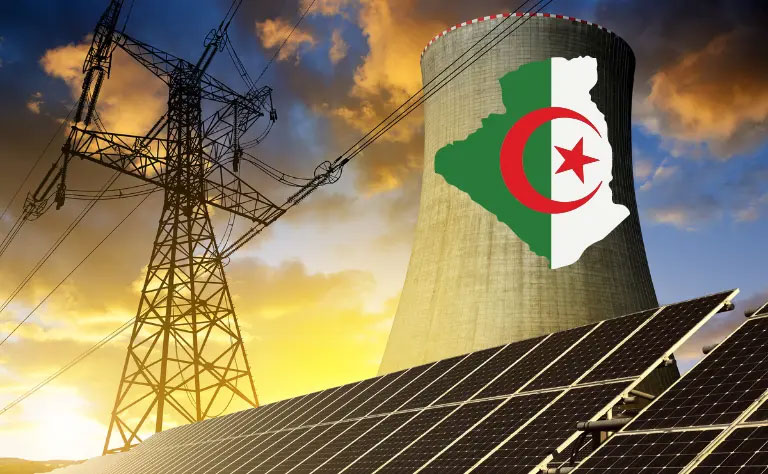
يعتبر إنتاج الكهرباء في الجزائر من القطاعات الاستراتيجية التي شهدت تغيرات وتطورات كثيرة تعبر عن طبيعة المرحلة التاريخية التي مر بها الاقتصاد الوطني، غير أن التطور البارز؛ خلال السنوات الأخيرة؛ فضلًا عن الاهتمام المتزايد بالرفع من القدرات الإنتاجية هو استخدام مصادر أخرى لتعزيز إنتاج الكهرباء وتعضيد الاستدامة التنموية، حيث أصبحت تشكل بعدًا من أبعاد السياسة الطاقوية في الجزائر، الأمر الذي من شأنه أن يؤثر إيجابيًا على المزيج الطاقوي.
في هذا المجال، تؤكد بعض البيانات الإحصائية، أن الجزائر سطرت برنامجًا طموحًا للطاقات المتجددة بحلول 2035، بالإضافة إلى دخول مشاريع الطاقة الشمسية الخدمة خلال السنوات الأخيرة لعملية الإنتاج. علمًا وأن معظم الإنتاج الخاص بالكهرباء في الجزائر، يعتمد بشكل كلي تقريبًا على الغاز.
وبالنظر للدور البارز الذي تلعبه الطاقة الكهربائية في مختلف مجالات الحياة: الاقتصادية والاجتماعية والثقافية…، فإن الوقوف على واقع إنتاج واستهلاك الكهرباء في الجزائر واستشراف مستقبلها يكتسي أهمية قصوى. وعليه فإن التساؤل الرئيس الذي يطرح نفسه هو:
ما هو واقع وآفاق إنتاج واستهلاك الكهرباء في الجزائر؟
محاور الملتقى
1. واقع وآفاق إنتاج الطاقة الكهربائية في الجزائر.
2. الطلب الوطني على الكهرباء واتجاهاته المستقبلية.
3. أهمية الكهرباء الشمسية في تجسيد التنمية المستدامة في الجزائر.
4. المزيج الطاقوي في الجزائر.
أهداف الملتقى
1. تقديم صورة شاملة ودقيقة عن الوضع الحالي لقدرات إنتاج الكهرباء في الجزائر، وكفاءة المحطات القائمة.
2. معرفة السبل الكفيلة بدمج الطاقات المتجددة ضمن المزيج الطاقوي ووضع رؤية استراتيجية لتحقيق أهداف التنمية في الجزائر.
3. تشجيع الشراكة بين الجامعات ومراكز البحث العلمي والمؤسسات الاقتصادية لإيجاد طرق مبتكرة لتقليل التبعية للخارج.
4. نشر ثقافة الاستهلاك المسؤول.
5. هدف تكويني، ذلك أن المداخلات العلمية في الملتقى ستكون مرجعًا هامًا لطلبة الدكتوراه والماستر.
هيئة الملتقى
الرئيس الشرفي للملتقى: أ.د. يوسف لخضر حمينة
المشرف العام على الملتقى: أ.د. نور الدين عياشي
رئيس الملتقى: أ.د. روابح عبد الباقي
رئيس اللجنة العلمية للملتقى: أ.د. سماح ميهوب
رئيس اللجنة التنظيمية للملتقى: د. عزوزة أماني
مواعيد مهمة
1. آخر أجل لإرسال المداخلات: 20/09/2026.
2. الرد على المداخلات المقبولة: 31/03/2026.
3. انعقاد الملتقى: 14/10/2026.
Ministry of Higher Education and Scientific Research
Abdelhamid Mehri University – Constantine 2
Faculty of Economics, Business and Management Sciences
In partnership with:
Laboratory of Economics and Business Management (LABECOM)
Directorate of Environment of Constantine Province
Organise National Conference (in-person and online):
October 14, 2026
Electricity Production and Consumption in Algeria: Reality and Prospect
The Problem of the Seminar
Given the prominent role that electricity plays across the economic, social, and cultural spheres of life, examining the current state of electricity production and consumption in Algeria and assessing its future prospects is of paramount importance. Accordingly, the central research question is:
What is the current state of electricity production and consumption in Algeria, and what are its future prospects?
Argument
Electricity is one of the most significant forms of energy in the contemporary world and is more widely used than any other. Its applications are virtually unlimited, making it indispensable across all economic and social sectors. It may be likened to the nervous system of the human body: it underpins industrial activity—particularly as most modern industries rely heavily on it—and plays an increasingly important role in agriculture, transport, services, and a broad range of domestic applications. In light of this pervasive role, several studies identify access to electricity as a key factor in improving quality of life.
Electricity generation in Algeria is a strategic sector that has undergone substantial change, reflecting the successive stages in the development of the national economy. In recent years, alongside efforts to expand generation capacity, a significant development has been the growing use of alternative energy sources to increase electricity output and advance sustainable development. These sources have become an integral dimension of Algeria’s energy policy and have the potential to improve the country’s energy mix.
Available statistical data indicate that Algeria has established an ambitious renewable energy programme extending to 2035. In addition, solar power projects have entered service in recent years, contributing to electricity generation. Nevertheless, electricity production in Algeria remains almost entirely dependent on natural gas.
Axes of the Seminar
The conference’s main themes can be outlined as follows:
Theme One: The current state and future prospects of electricity generation in Algeria.
Theme Two: National demand for electricity and its future trends.
Theme Three: The role of solar electricity in advancing sustainable development in Algeria.
Theme Four: Algeria’s energy mix.
Objectives of the Seminar
The conference’s main objectives are as follows:
1. To provide a comprehensive and accurate assessment of Algeria’s current electricity-generation capacity and the performance of its existing power plants.
2. To explore ways of integrating renewable energy sources—particularly solar power—into the national energy mix, and to develop a strategic vision for achieving Algeria’s objectives.
3. To foster partnerships among universities, scientific research centres, and economic enterprises to develop innovative technological solutions suited to Algeria’s specific context and help reduce reliance on foreign technology.
4. To promote a culture of responsible energy consumption.
Target Groups at the Seminar
• Academic faculty members.
• Energy-sector stakeholders.
• Doctoral students.
Conditions of Participation
• The contribution must be within the scope of the forum’s themes.
• Language of contribution: Arabic, French, or English.
• Contributions must meet the requirements of scientific research based on the scientific principles and methodology commonly accepted in academic writing.
• Contributions must not exceed twenty (20) pages, including footnotes, references, and appendices, if applicable.
• Only individual and joint contributions will be accepted.
• The format and method of presentation will be in-person and remote.
• The complete contribution must be submitted via: https://forms.gle/8vACpmtMMCovEpEG9
Key Dates
• Submission deadline: 20 September 2026.
• Notification of acceptance: 1 October 2026.
• Conference date: 14 October 2026.
Seminar Committee
Honorary President of the Conference: Prof. Youssef Lakhdar Hamina, Rector of the University.
General Coordinator of the Conference: Prof. Noureddine El Ayachi, Dean of the Faculty of Economics, Business and Management Sciences.
President of the Conference: Prof. Abdelbaki Rouabah, Member of the Laboratory (LABECOM).
President of the Scientific Committee: Prof. Samah Mihoub, Director of the Laboratory of Economics and Business Management.
President of the Organizing Committee: Prof. Azouza Amani.
Contact the Seminar Committee
📞 : 00213 672674056
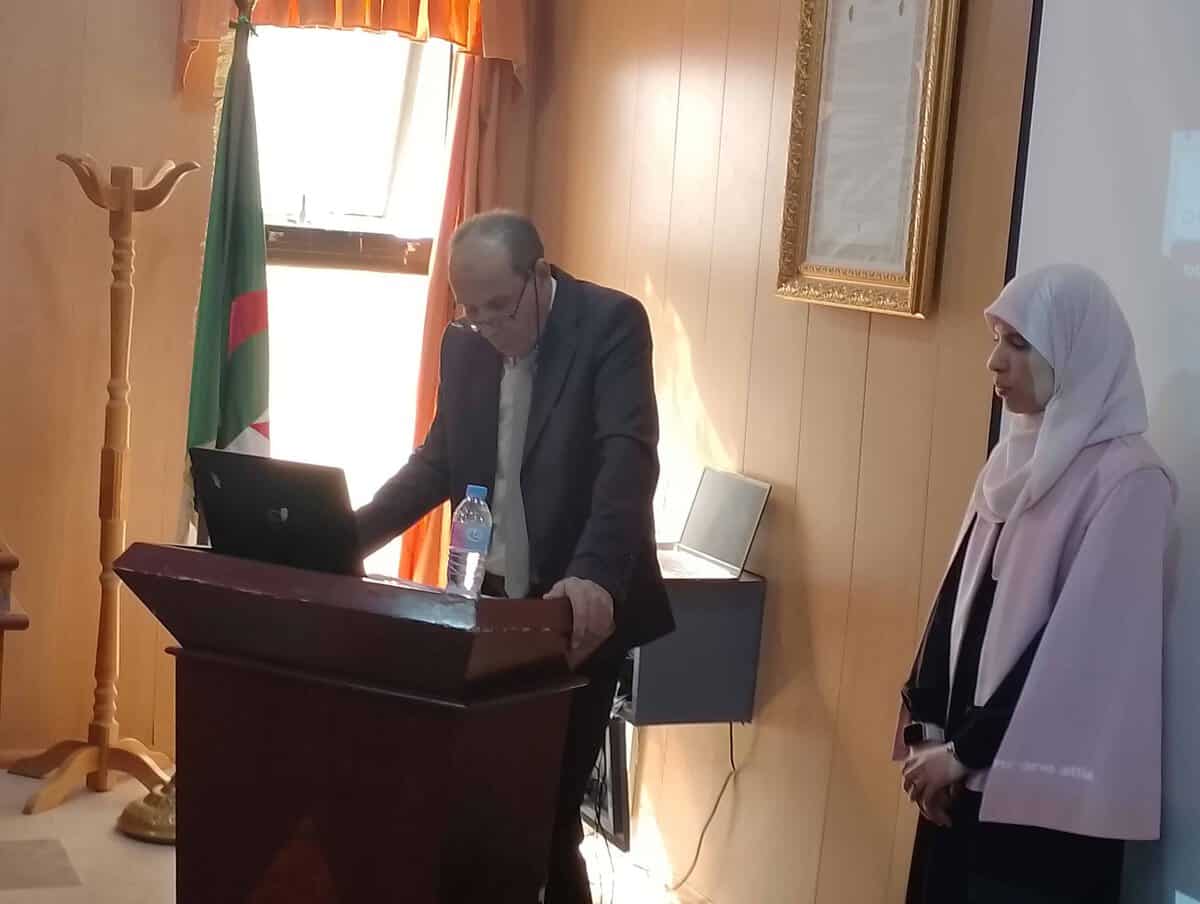
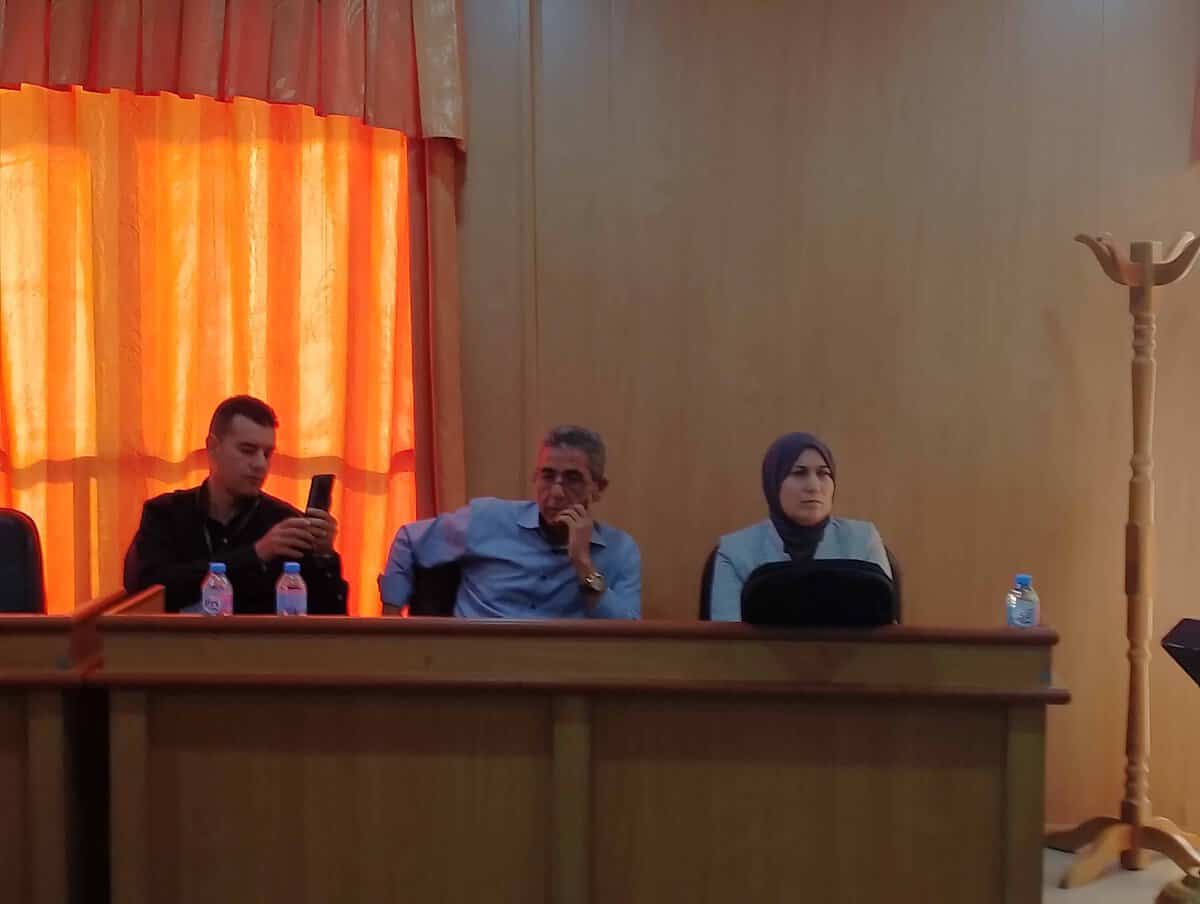
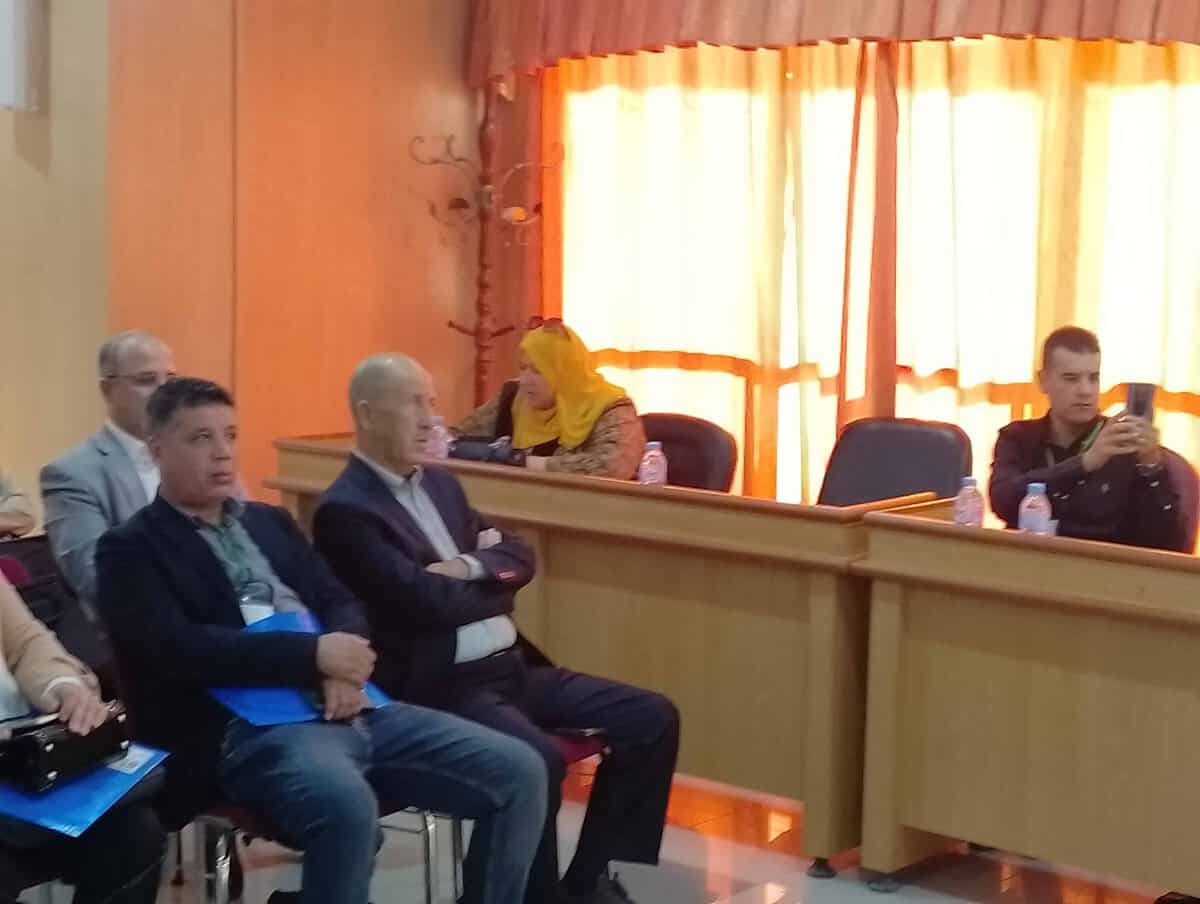
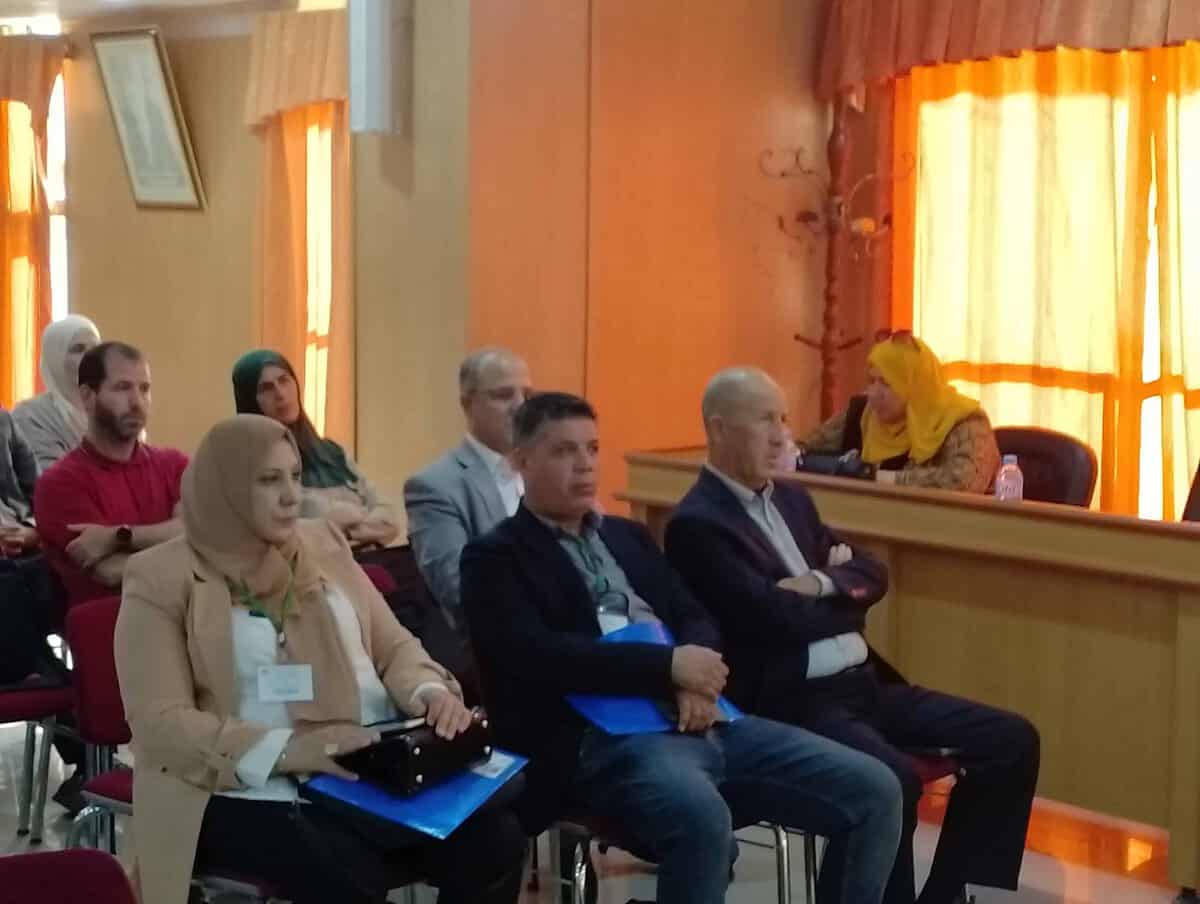
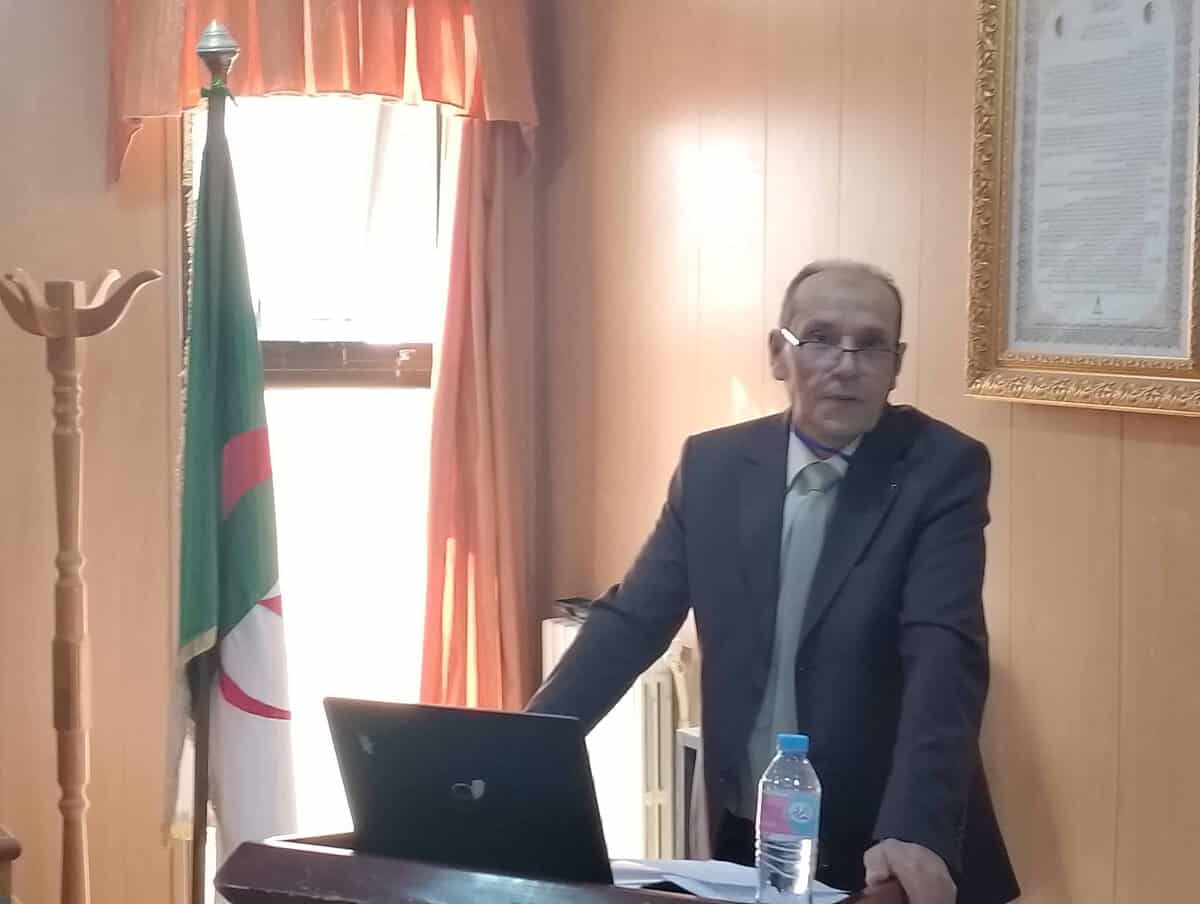
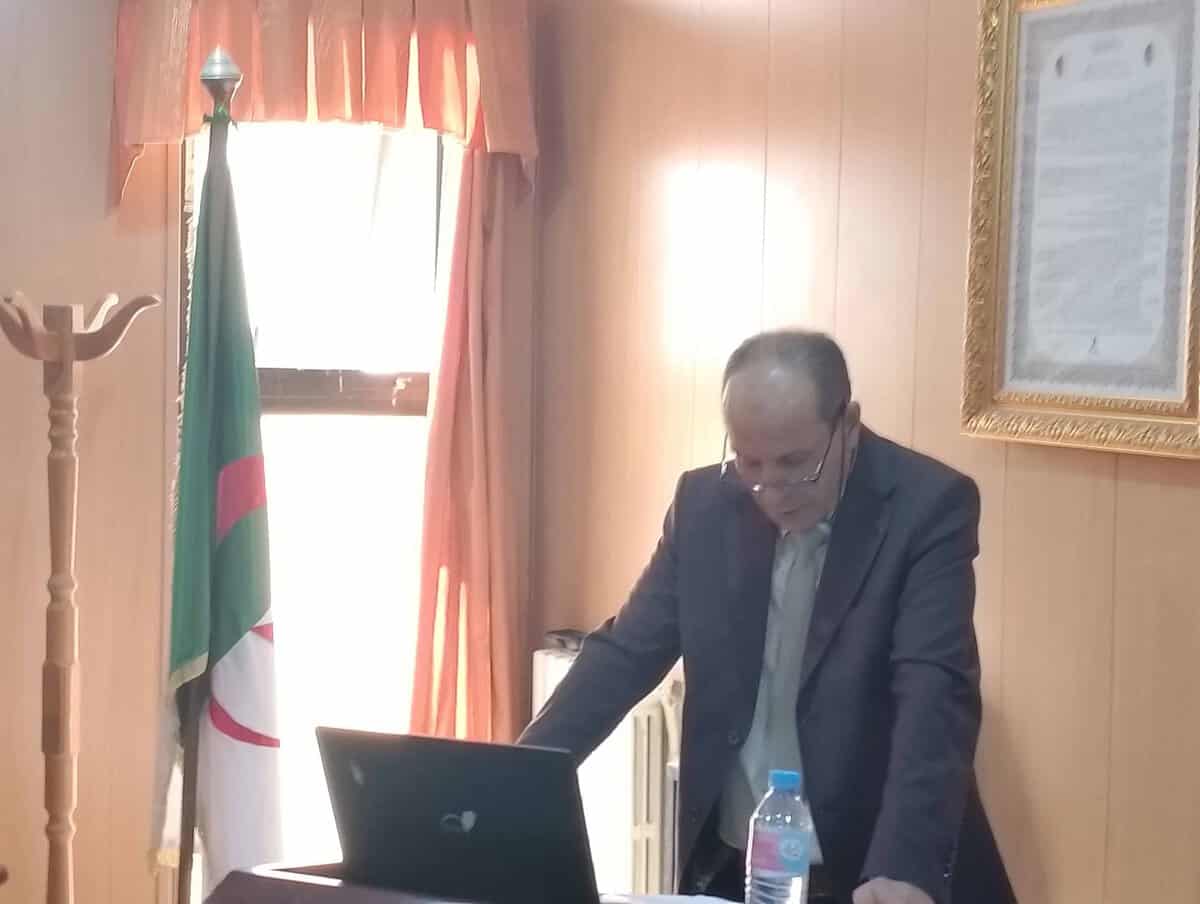
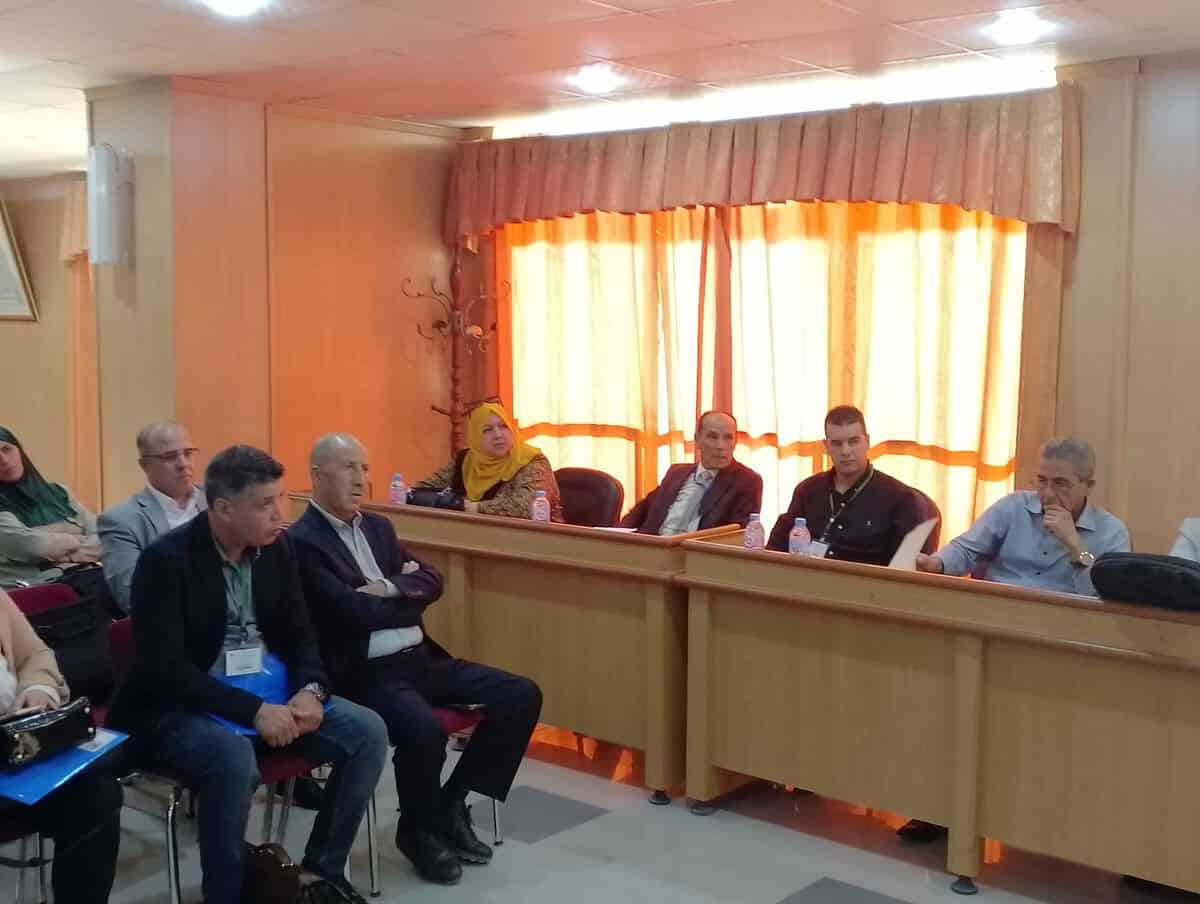
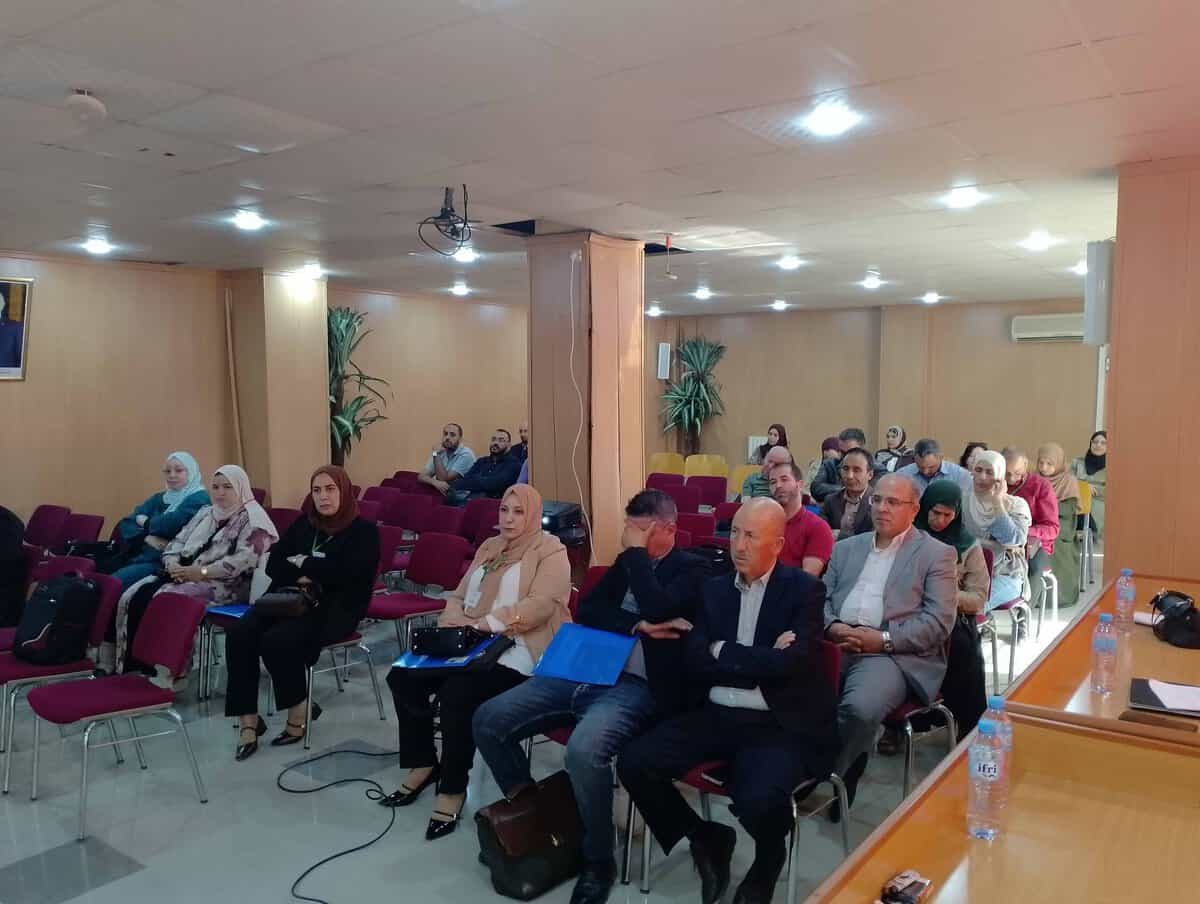
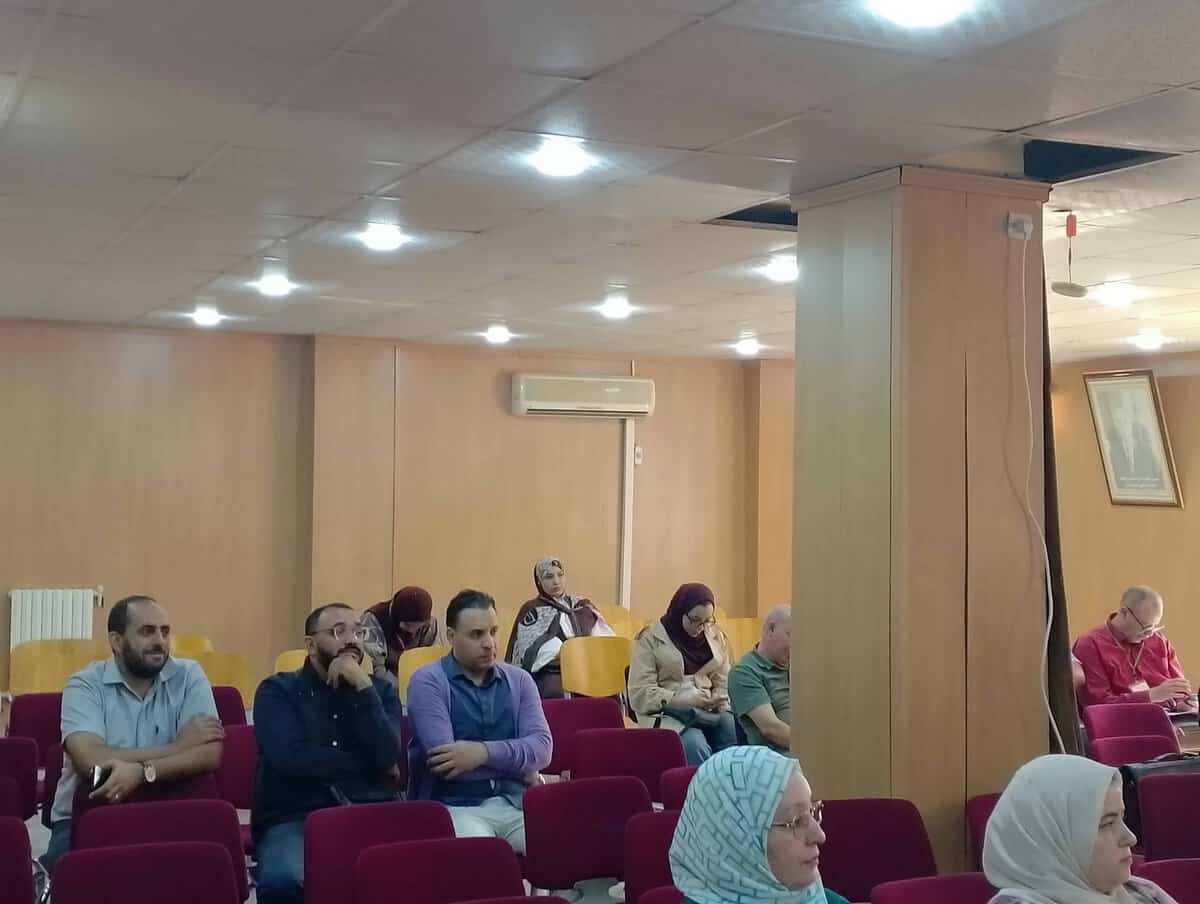
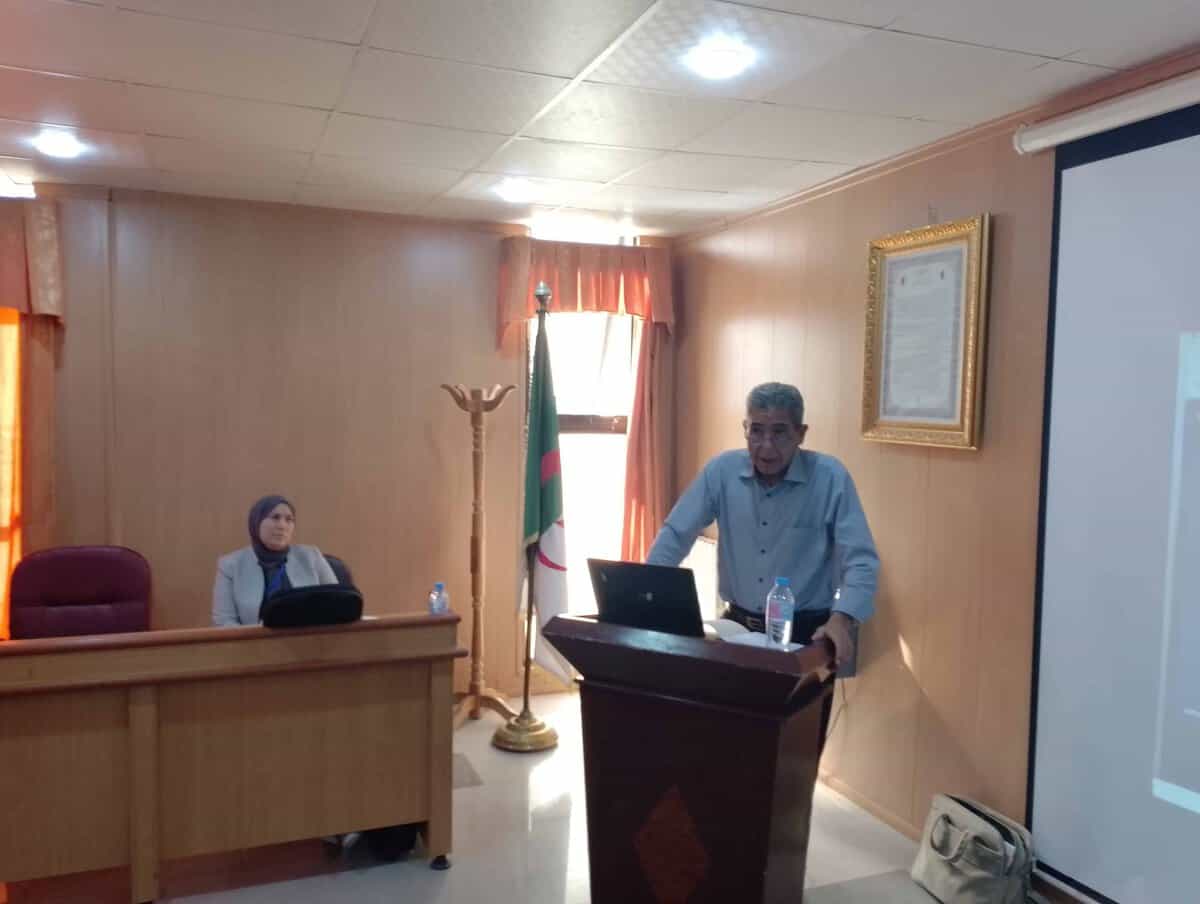
فعاليات الملتقى – Conference Activities